

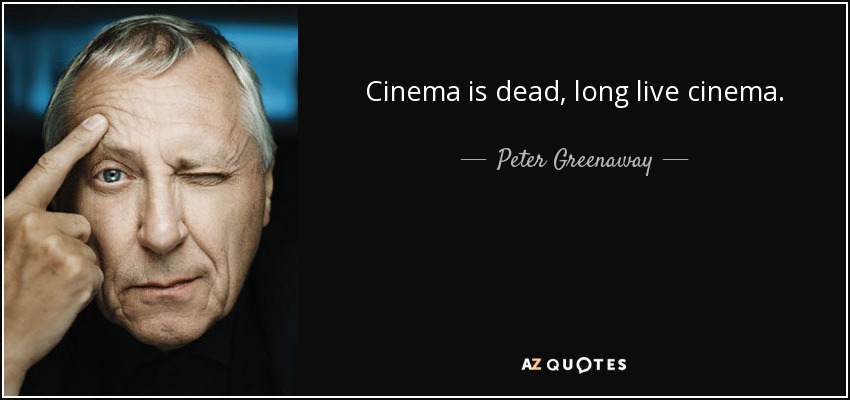
Cinema Is Dead. Long Live Cinema.
Introduction
Okay, let’s be honest. How many times have you heard someone declare cinema “dead” in the last few years? Probably more than you can count on one hand. Between streaming services, bite-sized content, and the ever-growing list of things vying for our attention, the once-dominant movie theater experience feels… different. Dare we say, endangered?
But hold on. Before we start composing cinema’s obituary, let’s take a closer look. Is this truly a terminal diagnosis, or is it just a particularly nasty flu? The answer, as you might suspect, is a bit more nuanced than a simple “yes” or “no.” In fact, the death of cinema, in its traditional form, might actually be the catalyst for its rebirth.
The Short-Term Pain: Empty Seats and Changing Habits
Let’s face the music. The short-term impact is undeniable. Movie theaters, once the Friday night hotspot, have struggled to consistently fill seats. The pandemic certainly accelerated this trend, but the seeds of change were sown long before.
Think about it. Why pay for a ticket, overpriced popcorn, and potentially deal with noisy neighbors when you can have a brand-new blockbuster beamed directly to your living room? Streaming services have become incredibly convenient, offering a vast library of content at a reasonable monthly fee. Plus, with ever-improving home theater systems, the gap between the theatrical experience and the home viewing experience is shrinking.
This shift has led to some worrying trends. Independent cinemas, the heart and soul of many communities, are particularly vulnerable. Blockbuster fatigue is also a real issue. Audiences are becoming increasingly selective, less willing to gamble on movies that don’t generate buzz. This puts pressure on studios to rely on sequels, remakes, and established franchises, often at the expense of original and innovative storytelling.
The Long-Term Implications: A Cultural Shift
The long-term consequences are even more profound. The shared experience of watching a movie in a darkened theater is a powerful cultural touchstone. It’s where we collectively laugh, cry, and gasp. It’s where stories become communal memories. If this experience fades away, we risk losing a vital form of connection and cultural exchange.
Moreover, the traditional cinema model has been a crucial source of revenue for independent filmmakers and diverse voices. If theaters become solely reliant on big-budget blockbusters, these smaller, more experimental films could struggle to find an audience. This would stifle creativity and limit the range of stories being told.
But fear not! This isn’t a lament. It’s a call to action. The game is changing, and cinema needs to adapt.
Solutions: Rebooting the System
So, how do we keep cinema alive and kicking? It requires a multi-pronged approach, involving everyone from studios and theater owners to filmmakers and, yes, even you, the moviegoer.
- Reimagine the Theater Experience:
Forget the sticky floors and stale popcorn. The theater of the future needs to be an event, not just a transaction. Think about it:
- Elevated Food and Drink: Offer gourmet food, craft cocktails, and personalized service. The Alamo Drafthouse model, where you can order food and drinks directly from your seat without disrupting the film, is a great example.
- Immersive Experiences: Utilize cutting-edge technology like virtual reality, augmented reality, and interactive screens to create a truly immersive viewing experience. Consider the success of themed pop-up cinemas and interactive theater shows.
- Community Hub: Transform theaters into community spaces by hosting film festivals, workshops, Q&As with filmmakers, and other events that foster a sense of connection.
- Embrace Niche Audiences:
Stop chasing the lowest common denominator and cater to specific interests.
- Foreign Film Nights: Showcase international cinema and introduce audiences to new cultures and perspectives.
- Classic Film Restorations: Give audiences a chance to experience timeless masterpieces on the big screen.
- Genre-Specific Events: Host horror movie marathons, anime screenings, or silent film festivals.
- Support Independent Filmmaking:
The lifeblood of cinema is new ideas and diverse voices.
- Independent Film Showcases: Dedicate screens and programming to independent films.
- Crowdfunding and Direct Distribution: Empower filmmakers to bypass traditional distribution channels and connect directly with audiences. Platforms like Kickstarter and Vimeo provide valuable tools for independent filmmakers.
- Film School Partnerships: Collaborate with local film schools to showcase student work and provide opportunities for young filmmakers.
- Flex Pricing and Subscriptions:
Offer flexible pricing options that make cinema more accessible.
- Matinee Discounts: Attract price-sensitive viewers with discounted matinee tickets.
- Subscription Services: Offer monthly or annual subscriptions that provide access to unlimited movies.
- Dynamic Pricing: Adjust ticket prices based on demand, day of the week, and time of day.
- Think Beyond the Screen:
Extend the cinematic experience beyond the theater.
- Interactive Trailers: Create trailers that allow viewers to explore the world of the film and interact with characters.
- Behind-the-Scenes Content: Offer exclusive behind-the-scenes content to subscribers or fans.
- Community Building: Foster online communities where fans can discuss films, share their thoughts, and connect with filmmakers.
Alternative Approaches: A Toolkit for Survival
The beauty of this situation is that there isn’t a one-size-fits-all solution. Here are a few alternative approaches that might work depending on your situation:
- Focus on Location: Smaller theaters in rural areas can focus on becoming community hubs, offering diverse programming and catering to local tastes.
- Embrace the Streaming Model: Some theaters are experimenting with hybrid models, offering both theatrical releases and streaming options.
- Partnerships and Collaborations: Theaters can partner with local businesses, artists, and organizations to create unique and engaging events.
Cinema Is Evolving, Not Dying
The death of cinema has been greatly exaggerated. While the traditional model is facing challenges, the power of storytelling and the desire for shared experiences are as strong as ever. The key is to adapt, innovate, and embrace the changing landscape.
This isn’t just about saving movie theaters. It’s about preserving a vital part of our culture, supporting diverse voices, and ensuring that future generations have the opportunity to experience the magic of cinema.
So, the next time you hear someone say that cinema is dead, tell them they’re wrong. Tell them that cinema is evolving, adapting, and finding new ways to connect with audiences. Tell them that cinema is not dead. Long live cinema!
Now, go out there and support your local cinema. Buy a ticket, spread the word, and be a part of the cinematic renaissance. The future of cinema is in our hands. Let’s make it a bright one.
