

Are Movie Ratings Failing Us?
Introduction
Let’s be honest. How many times have you seen a movie trailer, thought, “Okay, *that* looks awesome,” checked its rating, shrugged, and then been completely blindsided by something you *definitely* weren’t expecting? Maybe it was a graphic scene you thought was too intense, language that made you uncomfortable, or themes that just didn’t sit right. We’ve all been there.
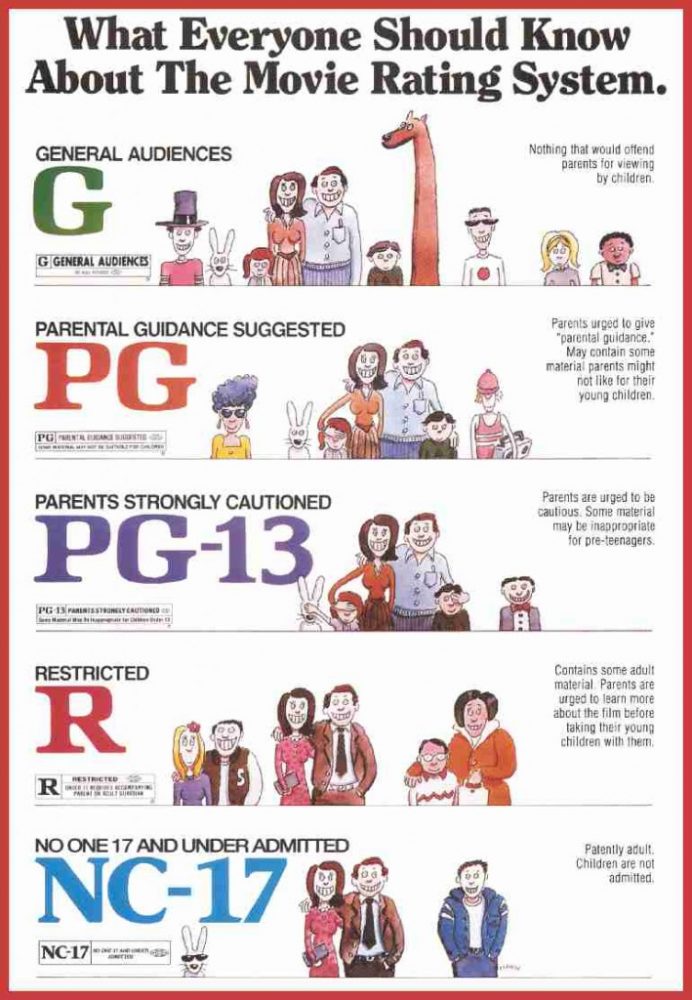
Movie ratings are supposed to be our trusty guides, a quick cheat sheet to help us navigate the vast landscape of cinematic offerings. But lately, a nagging question keeps popping up: are they *really* doing their job? Are these letter-based (or number-based, depending on your country) systems truly reflecting the content of films, or are they, perhaps, a little… outdated?
Think about it. We live in a world where special effects can conjure photorealistic dinosaurs, and nuanced storytelling can explore complex moral dilemmas. Is a system designed decades ago keeping up with the evolution of filmmaking?
The answer, increasingly, seems to be a resounding *maybe not*.
The Short-Term Shock: Immediate Disappointment and Misinformation
The most immediate impact of a failing rating system is simple disappointment. You go into a movie expecting one thing, and you get another. This can be particularly frustrating (and potentially harmful) for parents relying on ratings to make informed decisions about what their children watch. A PG-13 rating, for instance, might seem innocuous, but could contain intense scenes or mature themes that some parents find unsuitable for younger viewers.
This isn’t just a matter of personal preference. Misleading ratings can actively misinform consumers, leading to negative experiences and a general distrust of the system itself. Imagine taking your young child to a superhero movie rated PG-13, only to be confronted with surprisingly violent fight scenes. The immediate aftermath? An uncomfortable child, a frustrated parent, and a feeling of betrayal by the rating system.
The Long-Term Fallout: Eroding Trust and Promoting Censorship
The long-term consequences of ineffective movie ratings are more insidious. When people consistently find that ratings don’t accurately reflect the content of films, they start to lose faith in the system altogether. This erosion of trust can lead to several undesirable outcomes:
- Censorship by Choice: People might err on the side of caution, avoiding films that could potentially be offensive or inappropriate, even if they might otherwise enjoy them. This “censorship by choice,” driven by fear of the unknown, can limit exposure to diverse and challenging narratives.
- Increased Demand for External Reviews: Individuals might rely more heavily on unofficial sources, like online reviews and social media comments, to gauge the suitability of a film. While these sources can be helpful, they are often subjective and lack the consistency and objectivity of a standardized rating system.
- Undermining the Artistic Integrity of Filmmakers: If filmmakers constantly have to second-guess the rating implications of their creative choices, it can stifle artistic expression. They might shy away from exploring complex themes or portraying realistic scenarios for fear of alienating audiences or receiving a restrictive rating.
- Desensitization to Violence and Mature Themes: Conversely, a lack of consistent and accurate ratings could lead to a gradual desensitization to potentially harmful content, particularly among younger viewers. If violent or sexually suggestive scenes are routinely included in films with lenient ratings, it can normalize these themes and diminish their impact.
So, What Can Be Done? Practical Solutions for a Rating Revolution
The good news is that we’re not stuck with a broken system. Here are several practical solutions that could help improve the accuracy and relevance of movie ratings:
- Transparency is Key: Providing Detailed Descriptors:
One of the most straightforward solutions is to provide more detailed descriptors alongside the existing letter-based ratings. Instead of just saying “PG-13,” why not add specific information like: “PG-13: Contains moderate violence, suggestive themes, and some language.” This would give viewers a clearer understanding of the content they can expect.
- Case Study: Many streaming services already utilize this approach. Netflix, for example, often includes specific warnings like “nudity,” “violence,” or “drug use” on its movie and TV show pages. This level of detail allows viewers to make more informed choices based on their individual preferences and sensitivities.
- Embrace Nuance: Expanding the Rating Categories:
The current rating system often relies on broad generalizations. Expanding the number of rating categories could allow for a more nuanced and accurate assessment of a film’s content. For instance, creating separate ratings for “intense action violence” versus “graphic violence” could help differentiate between different types of content.
- Example: A film might be rated “PG-13 (Action Violence)” if it contains fast-paced fight scenes with minimal gore, while a film with more realistic and graphic depictions of violence could receive a higher rating, even if it doesn’t contain any explicit content.
- Incorporate Feedback: Public Reviews and Crowdsourcing:
Leveraging the power of crowdsourcing could provide valuable feedback on the accuracy of movie ratings. Allowing viewers to submit reviews and flag potentially misleading ratings could help identify discrepancies and improve the system’s overall accuracy.
- Practical Application: A website or app could be created where users can submit ratings and reviews of films, specifically focusing on the accuracy of the existing rating system. This data could then be used to identify films with consistently inaccurate ratings and prompt a re-evaluation by the rating board.
- Context Matters: Consider Cultural and Social Sensitivity:
Ratings should also take into account the evolving cultural and social landscape. What was considered acceptable in a film decades ago might be considered offensive or inappropriate today. Rating boards need to be sensitive to these changes and adjust their standards accordingly.
- Example: A scene depicting a racial stereotype that was common in older films might now warrant a higher rating or a content warning to alert viewers to potentially offensive material.
- Evolving with Technology: Interactive Ratings and Augmented Reality:
In the digital age, there’s no reason why movie ratings can’t be more interactive and engaging. Augmented reality (AR) technology could be used to provide viewers with a virtual preview of potentially sensitive scenes, allowing them to make informed decisions about whether or not to watch the film.
- Hypothetical Scenario: Imagine scanning a movie poster with your smartphone and instantly seeing a short AR clip of a potentially violent or disturbing scene. This would allow you to assess the content for yourself before committing to watching the film.
Choosing the Right Approach: A Personalized Rating Journey
There is no one-size-fits-all solution to the problems with movie ratings. The best approach will likely involve a combination of these strategies, tailored to meet the specific needs of different audiences.
- For Parents: Detailed descriptors and expanded rating categories could provide the clarity they need to make informed decisions about what their children watch.
- For Film Enthusiasts: Crowdsourcing and interactive ratings could offer a more nuanced and engaging way to explore the world of cinema.
- For Filmmakers: Transparent rating criteria and ongoing dialogue with rating boards could help them navigate the system without sacrificing their artistic vision.
The Future of Ratings: A Call to Action
The journey to improve movie ratings is not a passive one. It requires active participation from viewers, filmmakers, and rating boards alike. By demanding greater transparency, advocating for more nuanced ratings, and embracing innovative technologies, we can create a system that truly serves its purpose: to inform and empower audiences, not to confuse and mislead them.
This isn’t just about avoiding awkward moments in the cinema. It’s about preserving the integrity of filmmaking, protecting vulnerable viewers, and ensuring that we all have access to accurate and reliable information.
So, the next time you encounter a movie rating that seems off, don’t just shrug it off. Speak up. Share your feedback. Demand better. Because ultimately, the future of movie ratings is in our hands. Let’s shape it into something we can all trust and rely on.
