

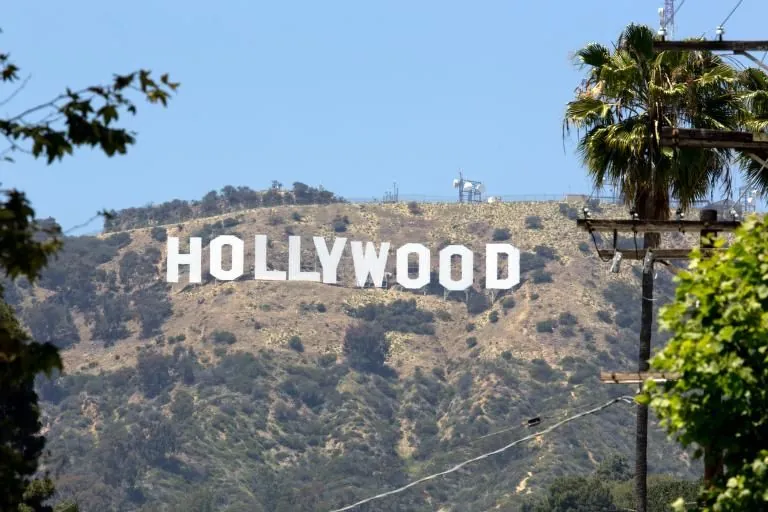
Hollywood Shakes: Seismic Shifts Rocking the Silver Screen
Remember the feeling of anticipation, settling into a plush seat, the lights dimming, and the collective hush as the screen flickered to life? Hollywood, for decades, held us captive in that shared experience. But lately, things feel… different. The ground is rumbling. Hollywood isn’t just evolving; it’s undergoing a full-blown seismic shift.
We’re not just talking about superhero fatigue or another remake announcement. This is bigger. This is a fundamental reshaping of how movies are made, distributed, and, most importantly, how we consume them. So, grab your popcorn (probably at home, on your couch), and let’s dive into the earthquake that’s currently rocking the silver screen.
The Fault Lines: What’s Causing the Tremors?
Several factors are converging to create this upheaval, and understanding them is key to navigating the new landscape.
- The Streaming Tsunami: This one is undeniable. Netflix, Amazon Prime, Disney+, Hulu – they aren’t just competitors; they’re rewriting the rules. Their deep pockets allow them to fund original content at an unprecedented scale, often bypassing traditional theatrical releases altogether. The pandemic only accelerated this trend, solidifying streaming as a primary source of entertainment for millions.
- Short-Term Impact: Empty theaters, dwindling box office numbers, and a scramble for studios to launch their own streaming platforms.
- Long-Term Impact: A potential erosion of the theatrical experience, a blurring of lines between film and television, and a power shift from studios to tech giants.
- The Rise of the Creator Economy: Forget waiting for Hollywood to greenlight your dream project. Platforms like YouTube, TikTok, and Patreon have empowered independent creators to build massive audiences and generate revenue directly. This democratization of content creation is challenging Hollywood’s traditional gatekeeping role.
- Short-Term Impact: A surge in diverse and niche content, a questioning of established star power, and the rise of “digital natives” as influential voices.
- Long-Term Impact: A potential fracturing of the audience, a greater emphasis on authenticity and relatable stories, and a blurring of the lines between amateur and professional filmmaking.
- The Ever-Evolving Audience: Our viewing habits are changing. We’re consuming content on our phones, tablets, and smart TVs, often in bite-sized chunks. Attention spans are shrinking, and demands for interactive and personalized experiences are growing.
- Short-Term Impact: A focus on shorter, more engaging content, an emphasis on visual spectacle and immediate gratification, and a push for interactive storytelling.
- Long-Term Impact: A redefinition of what constitutes a “movie,” a greater emphasis on audience engagement and community building, and a potential shift towards personalized entertainment experiences.
Navigating the Quake: Practical Solutions for a Shifting Landscape
So, what can be done to not just survive but thrive in this new environment? Here are a few potential solutions:
- Embrace Hybrid Distribution Models: The days of either/or are gone. Theatrical releases can still be powerful, but they shouldn’t be the only option. Consider releasing films simultaneously in theaters and on streaming platforms, or offering exclusive early access to streaming subscribers.
- Example: Warner Bros. releasing their 2021 slate simultaneously in theaters and on HBO Max – a controversial decision, but one that forced the industry to confront the reality of the new landscape.
- Invest in Storytelling, Not Just Spectacle: While visual effects and blockbuster budgets have their place, ultimately, it’s the story that resonates with audiences. Focus on developing compelling narratives, relatable characters, and emotionally engaging themes.
- Example: A24, a studio known for its character-driven independent films, has consistently found success by prioritizing compelling storytelling over massive special effects.
- Cultivate a Strong Brand and Community: In a crowded content landscape, building a loyal audience is crucial. Engage with viewers on social media, offer exclusive content, and create opportunities for fans to connect with each other.
- Example: Blumhouse Productions, a studio specializing in low-budget horror films, has built a dedicated following through its active social media presence and its willingness to engage with fans.
- Experiment with Interactive and Immersive Experiences: Consider incorporating interactive elements into your films, such as choose-your-own-adventure storylines or virtual reality experiences. This can help to draw viewers in and create a more engaging and memorable experience.
- Example: Netflix’s “Black Mirror: Bandersnatch,” an interactive film that allowed viewers to make choices that affected the storyline, demonstrated the potential of interactive storytelling.
- Embrace Collaboration and Openness: Break down the silos and foster collaboration between different creative disciplines. Encourage open dialogue and experimentation, and be willing to learn from new voices and perspectives.
- Example: The rise of independent film festivals and online filmmaking communities has fostered collaboration and provided opportunities for emerging filmmakers to showcase their work.
Alternative Approaches: Adapt, Innovate, or Get Left Behind
The solutions above offer a foundation, but the key lies in adaptability. Here are some alternative approaches to consider:
- Niche Down: Instead of trying to appeal to everyone, focus on creating content for a specific niche audience. This can help you to build a loyal following and stand out from the crowd.
- Embrace Short-Form Content: Create shorter, more engaging content for platforms like TikTok and YouTube. This can help you to reach a wider audience and build brand awareness.
- Monetize Through Multiple Channels: Don’t rely solely on box office revenue or streaming subscriptions. Explore alternative monetization options, such as merchandise sales, crowdfunding, and brand partnerships.
The Aftershocks: A Future of Possibilities
The seismic shifts in Hollywood are undeniably disruptive, but they also present a wealth of opportunities. This is a chance to reimagine the cinematic experience, to tell new stories in innovative ways, and to connect with audiences on a deeper level. The old gatekeepers are losing their grip, and the doors are opening for new voices and perspectives.
The future of Hollywood isn’t about resisting change; it’s about embracing it. It’s about adapting to the new landscape, innovating with new technologies, and focusing on what truly matters: creating compelling content that resonates with audiences.
The tremors may still be felt, but remember, after every earthquake comes a period of rebuilding. And in Hollywood, that rebuilding process has the potential to create something even stronger, more vibrant, and more inclusive than ever before. It’s time to roll up our sleeves, get creative, and help shape the next chapter of the silver screen. The future is unwritten, and it’s ours to define. So, let’s make it a blockbuster!
