

Are Movie Ratings Ruining Cinema?
Introduction
Ever scroll through a streaming service, eyeing up potential movie night contenders, only to be immediately steered away by a dreaded rating? Whether it’s a PG-13 slapped on a potentially groundbreaking sci-fi flick or an R rating warding off families looking for a lighthearted watch, movie ratings are undeniably a gatekeeper to the cinematic experience. But are these gatekeepers truly protecting us, or are they inadvertently stifling creativity and limiting our access to diverse stories? Are movie ratings, in essence, ruining cinema?
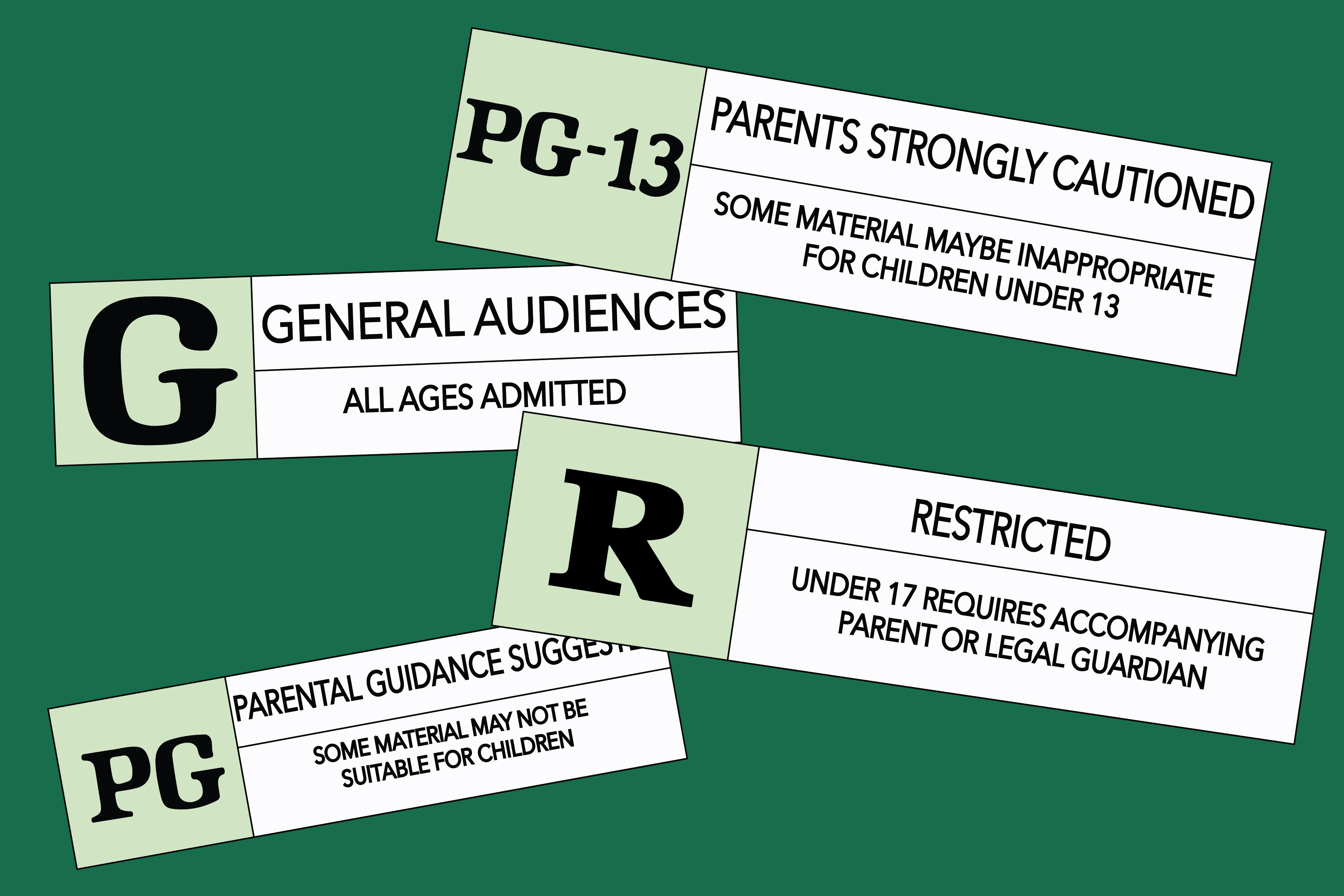
It’s a provocative question, but one worth exploring. After all, these seemingly innocuous labels – G, PG, PG-13, R, NC-17 – wield immense power. They can dictate a film’s potential audience, influence its marketing strategy, and ultimately, impact its financial success. But at what cost?
The Short-Term Pinch: Box Office Blues and Creative Compromises
In the short term, the influence of movie ratings is immediately apparent at the box office. An R rating, while sometimes a badge of honor for independent or genre films, can significantly limit a film’s earning potential. Think about it: fewer children can see it, potentially impacting family outings. Teenagers, a significant moviegoing demographic, often require parental permission. This limitation forces filmmakers to make a choice: compromise their artistic vision to achieve a more accessible rating, or risk alienating a large portion of the potential audience.
This compromise can manifest in several ways. Dialogue might be toned down, violent scenes might be cut or softened, and complex themes might be simplified to appeal to a broader audience. While this might increase box office numbers, it can also dilute the original artistic intent, leaving audiences with a watered-down version of the story the filmmaker intended to tell.
Look at the evolution of superhero movies. Early entries often pushed the boundaries of PG-13, but as the genre exploded in popularity, the studios increasingly aimed for the broadest possible appeal. This resulted in films that, while visually stunning and action-packed, sometimes lacked the emotional depth and thematic complexity that could have elevated them to truly great art. While exceptions certainly exist (consider the darker tone of “The Dark Knight” or the mature themes of “Logan”), the pressure to cater to a wide audience often results in a more homogenized product.
The Long-Term Ripple: A Dwindling Pool of Diverse Stories?
The long-term impacts of this rating-driven dynamic are perhaps even more concerning. If filmmakers are constantly pressured to conform to rating guidelines, it could lead to a decline in the diversity of stories being told. Risky, challenging, or controversial narratives that might garner an R rating could be deemed too risky for investment, leading studios to favor safer, more predictable projects.
This can create a feedback loop where audiences are primarily exposed to a limited range of cinematic experiences, potentially leading to a decline in critical thinking and a reduced appetite for films that push boundaries. Imagine a world where independent films struggling to find funding due to perceived rating risks become rarer, leaving audiences with a steady diet of blockbuster sequels and predictable rom-coms. The vibrancy and artistic innovation that thrives in the fringes of cinema could be stifled.
Furthermore, the reliance on ratings can lead to a form of censorship, albeit an indirect one. Filmmakers might self-censor their work, avoiding controversial topics or challenging themes for fear of alienating potential viewers. This can create a culture of conformity, where artistic expression is sacrificed at the altar of commercial viability.
Unlocking the Potential: Practical Solutions for a More Nuanced Approach
So, what can be done to mitigate the potential negative impacts of movie ratings without completely abandoning the system? Here are some practical solutions:
- Enhanced Contextual Information: Instead of relying solely on broad rating categories, provide more detailed contextual information about the film’s content. Similar to the descriptors used on video games, this could include specific warnings about violence, language, sexual content, or thematic elements. This allows parents and viewers to make informed decisions based on their individual preferences and values. For example, instead of just “R – Violence,” the rating could specify “R – Graphic Violence, Strong Language.” This empowers viewers to assess the content more accurately.
- Increased Media Literacy Education: Empowering audiences with the skills to critically analyze media is crucial. Educational programs and initiatives that teach individuals how to understand and interpret film language, recognize biases, and assess the suitability of content for themselves and their families can help reduce the over-reliance on ratings.
- Support for Independent Filmmaking: Providing funding and resources for independent filmmakers allows them to create films that push boundaries without the same commercial pressures. This can foster a more diverse and vibrant cinematic landscape. Organizations like Sundance Institute and regional film commissions play a vital role in supporting independent voices.
- Re-evaluate the Rating System: It might be time to revisit the rating system itself. Are the current categories still relevant in the age of streaming and readily available content? Could a more nuanced system that takes into account the context and artistic merit of a film be developed? Perhaps a system that incorporates viewer reviews and ratings alongside professional assessments could provide a more comprehensive picture.
- Embrace Alternative Distribution Models: Streaming platforms offer an opportunity to bypass traditional theatrical releases and reach niche audiences directly. This can allow filmmakers to create films that might not be commercially viable in a traditional setting but can still find an audience online. This can foster a more diverse and experimental film landscape.
A Call to Action: Embracing Cinematic Diversity
The question of whether movie ratings are ruining cinema is complex and nuanced. While the rating system serves a purpose in providing guidance to audiences, it also carries the risk of stifling creativity and limiting access to diverse stories.
By embracing a more nuanced approach that incorporates enhanced contextual information, increased media literacy education, support for independent filmmaking, a re-evaluation of the rating system, and alternative distribution models, we can mitigate the potential negative impacts of movie ratings and foster a more vibrant and diverse cinematic landscape.
Ultimately, the responsibility lies with all of us – filmmakers, audiences, and industry professionals – to champion artistic expression and ensure that the future of cinema is one that celebrates innovation, challenges conventions, and reflects the richness and complexity of the human experience. Don’t let a letter grade dictate your viewing habits. Explore beyond the surface, support independent voices, and engage with cinema critically. The future of storytelling depends on it.
