

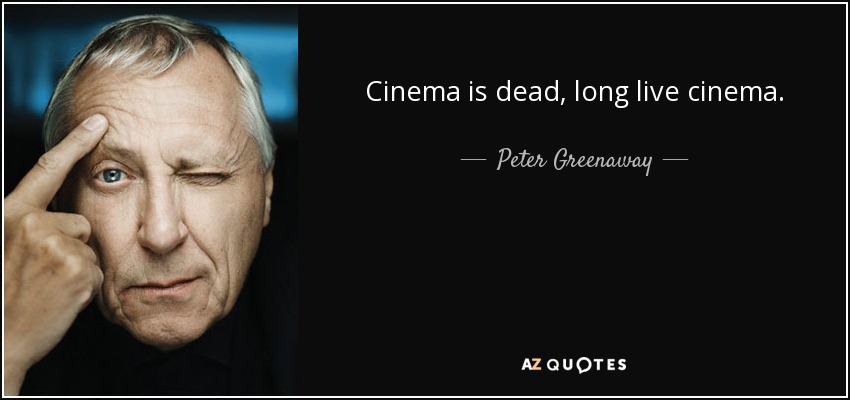
Cinema Is Dead. Long Live Cinema.
Introduction
Okay, let’s be honest. How many times have you heard someone pronounce cinema dead in the last, say, five years? Probably more than you can count on your fingers. Streaming services, shrinking attention spans, TikTok explosions – the obituaries have been plentiful and, at times, convincing. “Cinema is dead!” they cry, often while simultaneously binge-watching a critically acclaimed series on their couch.
But is it really? Is the magic of the silver screen, the collective gasp in a darkened room, the shared experience of a story unfolding before your eyes truly gone? I argue, emphatically, no. Cinema isn’t dead; it’s evolving. It’s shedding its skin and trying to figure out what it wants to be in this brave new world. And that, my friends, is precisely why we should be excited.
Explanation of the Problem
Think of it like this: cinema isn’t a single entity, it’s an ecosystem. And right now, that ecosystem is experiencing some serious turbulence. The immediate impact is clear: struggling theaters, shrinking budgets for smaller independent films, and a deluge of content vying for our attention. This short-term pain is real, and it’s affecting everyone from filmmakers and actors to theater owners and concession stand workers. We see closures, layoffs, and a general feeling of uncertainty hanging in the air.
But zoom out a bit. Look at the bigger picture. This disruption, this apparent death knell, is actually a catalyst for innovation and, dare I say, a potential rebirth. The long-term impacts could be incredibly positive, pushing cinema to become more diverse, more accessible, and more impactful.
Solutions
So, how do we ensure that “Long Live Cinema” isn’t just wishful thinking? How do we navigate this transition and help cinema not just survive, but thrive? Here are a few practical solutions, some obvious, some less so, each offering a potential pathway forward.
- Reimagine the Theatrical Experience: Let’s face it, going to the movies isn’t always the most appealing option. Overpriced popcorn, sticky floors, and the constant glow of cellphones can quickly kill the magic. The solution? Elevate the experience.
- Premium Experiences: Look at what Alamo Drafthouse has done. Dinner and a movie, curated pre-show content, and a strict no-talking/no-cellphone policy create a truly immersive experience that justifies the ticket price. Think more comfortable seating, enhanced audio-visual technology (IMAX, Dolby Atmos), and curated food and beverage options.
- Community Hubs: Theaters can become more than just screening rooms. They can be community hubs, hosting events like filmmaker Q&As, themed nights, classic movie screenings, and even local film festivals. This creates a sense of belonging and encourages repeat visits. Example: A local theater holding a themed Harry Potter week, complete with costume contests and Butterbeer specials.
- Accessibility and Convenience: Offering online ticketing, reserved seating, and flexible showtimes can significantly improve the customer experience. Think about incorporating loyalty programs and discounts to reward frequent moviegoers.
- Embrace Streaming, Don’t Fight It: Streaming isn’t the enemy; it’s a powerful tool. Instead of viewing it as a competitor, embrace it as a distribution platform.
- Day-and-Date Releases (Strategically): The simultaneous release of films in theaters and on streaming services has been controversial, but it can be a viable option for certain films, particularly those targeting niche audiences or those with limited marketing budgets. The key is to analyze the target audience and choose the release strategy accordingly.
- Exclusive Streaming Content: Create content specifically for streaming platforms, focusing on genres and formats that thrive in that environment. Think short films, documentaries, and experimental projects that might not find a home in traditional theaters. Netflix’s consistent investment in diverse documentaries is a prime example.
- Hybrid Models: Consider shorter theatrical runs followed by exclusive streaming availability. This allows films to benefit from the prestige and exposure of a theatrical release while still catering to the convenience of streaming audiences.
- Support Independent Filmmaking: The lifeblood of cinema is creativity, and that often comes from independent filmmakers.
- Government Funding and Grants: Advocate for increased government funding for film schools, independent film grants, and initiatives that support emerging filmmakers. Examples include the Sundance Institute’s support of independent filmmakers and the National Endowment for the Arts grants.
- Crowdfunding and Private Investment: Encourage crowdfunding campaigns and connect independent filmmakers with private investors. Platforms like Kickstarter and Indiegogo have become invaluable tools for raising funds for independent projects.
- Distribution and Marketing Support: Provide resources and mentorship to help independent filmmakers navigate the complex world of distribution and marketing. This could include workshops, networking events, and partnerships with established distributors.
- Cultivate Film Literacy: We need to teach future generations how to appreciate and analyze film as an art form.
- Film Education in Schools: Incorporate film studies into school curriculums, teaching students about film history, film theory, and filmmaking techniques. This fosters critical thinking and a deeper appreciation for the art of cinema.
- Community Film Clubs and Workshops: Organize film clubs and workshops for people of all ages, providing opportunities to discuss films, learn about filmmaking, and create their own projects.
- Online Resources and Education: Create and promote online resources that educate people about film history, film theory, and filmmaking techniques. This can include documentaries, video essays, and online courses.
- Diversify Representation: The stories we tell on screen should reflect the diversity of the world we live in.
- Support Diverse Filmmakers: Actively seek out and support filmmakers from underrepresented backgrounds, providing them with opportunities to tell their stories. This includes funding, mentorship, and distribution support.
- Promote Inclusive Storytelling: Encourage filmmakers to create stories that are inclusive and representative of diverse cultures, perspectives, and experiences. This means actively challenging stereotypes and promoting authentic representation.
- Create a More Inclusive Industry: Work to create a more inclusive film industry, both in front of and behind the camera. This includes addressing issues of representation in casting, crewing, and leadership positions. The success of films like “Black Panther” and “Crazy Rich Asians” demonstrates the demand for diverse stories and the financial benefits of catering to underserved audiences.
These are just a few potential solutions, and the reality is that it will likely take a combination of these approaches to truly revitalize cinema. There is no magic bullet. But the key takeaway is this: we have the power to shape the future of cinema.
Conclusion
The death of cinema has been greatly exaggerated. Yes, the landscape is changing, and yes, there are challenges to overcome. But within those challenges lie opportunities for innovation, creativity, and a reimagining of what cinema can be.
So, the next time you hear someone proclaim the death of cinema, don’t despair. Instead, take action. Support your local theater, champion independent filmmakers, cultivate film literacy, and demand diverse representation. Be a part of the solution.
Cinema isn’t dead. It’s waiting to be reborn. And you, my friend, can help bring it back to life. Now go out there and watch a movie!
