

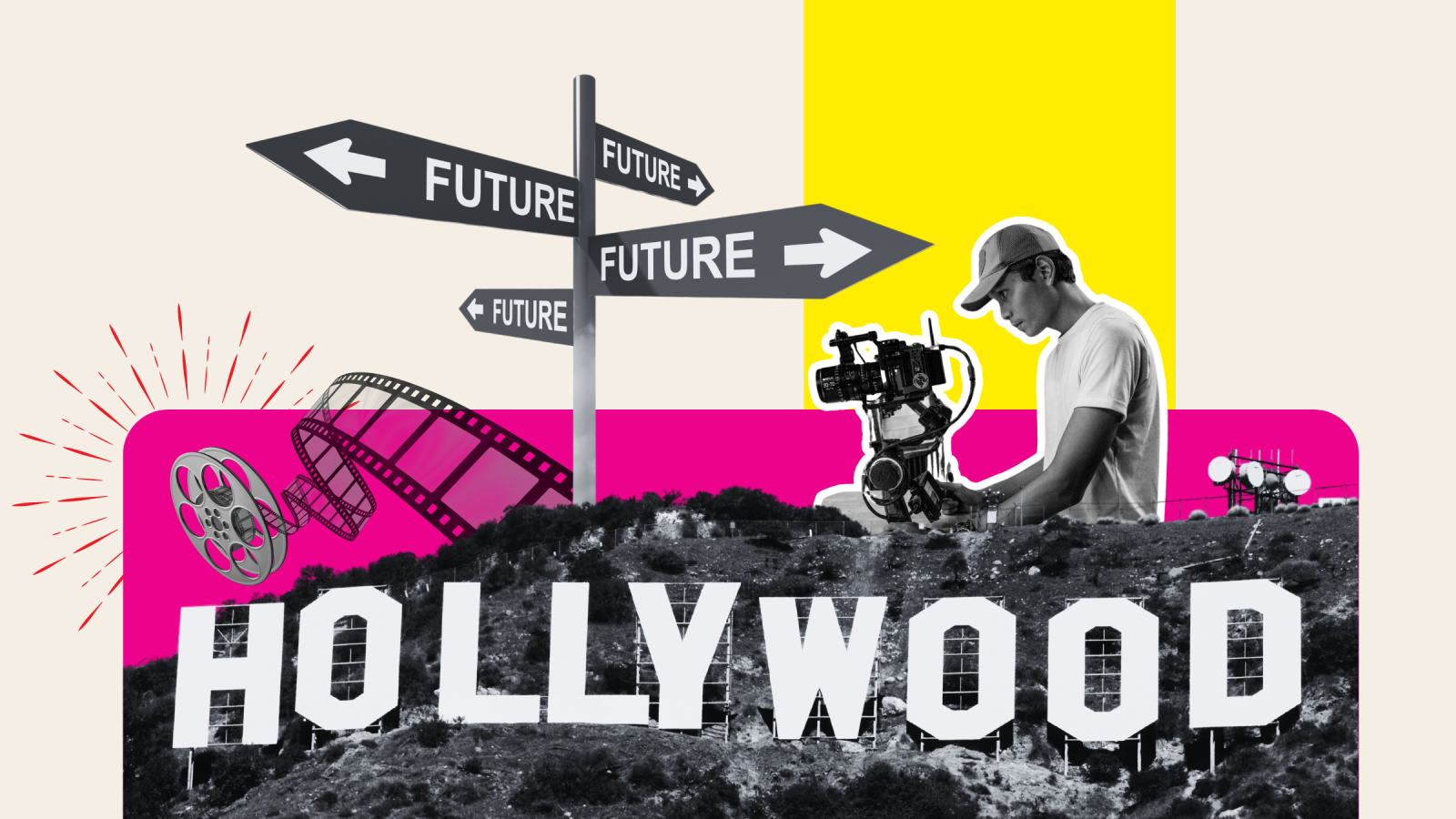
Hollywood’s Seismic Shift: The Future of Film Is Now
Introduction
Remember that feeling? The lights dimming, the collective hush, the first frame flickering to life on the big screen. For generations, that was the movie experience. But let’s be honest, things are changing faster than a superhero’s costume change. Hollywood isn’t just facing a challenge; it’s experiencing a full-blown seismic shift. The future of film isn’t some distant concept; it’s happening right now. And if you’re even remotely interested in movies – whether you’re a casual viewer, an aspiring filmmaker, or an industry veteran – you need to understand what’s going on.
Explanation of the Problem
So, what exactly is shaking things up? It’s not just one thing, but a perfect storm of factors that have been brewing for years:
- Streaming Wars: The rise of Netflix, Amazon Prime, Disney+, and a dozen others has fundamentally altered how people consume content. Why pay for a cinema ticket when you can access a vast library of movies and shows from the comfort of your couch?
- Changing Audience Preferences: Superhero fatigue, a desire for more diverse and authentic stories, and the shortening of attention spans are all impacting what audiences want to see.
- Technological Advancements: From CGI wizardry to virtual production, technology is reshaping how movies are made and experienced.
- The Pandemic Effect: The COVID-19 pandemic accelerated existing trends, forcing studios to experiment with streaming releases and leaving many questioning the long-term viability of traditional theatrical distribution.
Short-Term Pain, Long-Term Possibilities:
The short-term impact of this seismic shift is already being felt. Box office numbers are fluctuating, studios are restructuring, and many in the industry are feeling uncertain about the future. We’re seeing:
- Increased focus on blockbusters: Studios are doubling down on sure-fire hits, sequels, and established franchises to minimize risk. This, in turn, can stifle creativity and originality.
- Shorter theatrical windows: The time between a film’s theatrical release and its availability on streaming platforms is shrinking, impacting box office revenue.
- Layoffs and budget cuts: As studios adapt to the new landscape, many are streamlining their operations, leading to job losses and reduced budgets for smaller projects.
However, amidst the disruption, lies a wealth of opportunity. The long-term impact could be incredibly positive, leading to:
- More diverse storytelling: The rise of streaming platforms has opened doors for independent filmmakers and diverse voices to reach wider audiences.
- Innovation in filmmaking: Virtual production, AI-powered tools, and other technological advancements are enabling filmmakers to create stunning visuals and tell stories in new and exciting ways.
- A more accessible industry: The democratization of filmmaking tools and the rise of online communities are making it easier for aspiring filmmakers to break into the industry.
- A more engaged audience: Interactive storytelling, virtual reality experiences, and other immersive technologies are blurring the lines between film and gaming, creating new ways for audiences to connect with stories.
Solutions
Navigating the New Hollywood: Practical Solutions for a Changing World:
So, how can filmmakers, studios, and audiences navigate this new Hollywood? Here are some practical solutions:
- Embrace Hybrid Distribution Models: The old model of theatrical exclusivity is dying. Studios need to embrace hybrid distribution models that combine theatrical releases with streaming options. Look at Universal Pictures’ experiment with shorter theatrical windows, allowing movies to hit PVOD (Premium Video On Demand) platforms after only 17 days in theaters. They found it could co-exist profitably.
- Invest in Original Content: While blockbusters are important, studios also need to invest in original stories and diverse voices. A24, for example, has built a strong brand by consistently delivering high-quality, independent films that resonate with audiences.
- Leverage Technology to Reduce Costs: Virtual production, AI-powered scriptwriting tools, and other technologies can help filmmakers reduce production costs without sacrificing quality. Jon Favreau’s The Mandalorian successfully used virtual production, creating realistic environments on a soundstage, saving on location costs, and enabling more creative control.
- Build Direct Relationships with Audiences: Social media, email marketing, and other digital tools can help filmmakers build direct relationships with their audiences, bypassing traditional marketing channels. A great example is the independent film Kung Fury, which used a Kickstarter campaign to raise funding and build a dedicated fanbase before its release.
- Explore Interactive Storytelling: Interactive films, virtual reality experiences, and other immersive technologies offer new ways for audiences to engage with stories. Netflix’s Black Mirror: Bandersnatch allowed viewers to make choices that affected the storyline, creating a unique and engaging experience.
Alternative Approaches: Finding the Right Fit:
Not every solution works for every situation. Here are some alternative approaches to consider:
- For Independent Filmmakers: Focus on niche audiences and build a strong online presence. Consider crowdfunding to finance your project.
- For Studios: Experiment with different distribution models and invest in emerging talent. Prioritize creating high-quality content that resonates with audiences.
- For Audiences: Support independent films and diverse voices. Explore new and emerging technologies that offer unique viewing experiences.
Conclusion
The Show Must Go On: A Call to Action:
Hollywood is changing, undeniably, drastically, and permanently. But change doesn’t have to be scary; it can be exciting. This seismic shift presents a unique opportunity to create a more diverse, innovative, and accessible film industry.
Don’t be a passive observer. Be an active participant. Support the filmmakers and stories you believe in. Embrace new technologies and distribution models. And most importantly, never stop watching, learning, and engaging with the art of cinema.
The future of film is now, and it’s being written by all of us. So, grab your popcorn, silence your cell phones, and get ready for the next act. It’s going to be a wild ride. Let’s make sure it’s a ride worth taking.
