

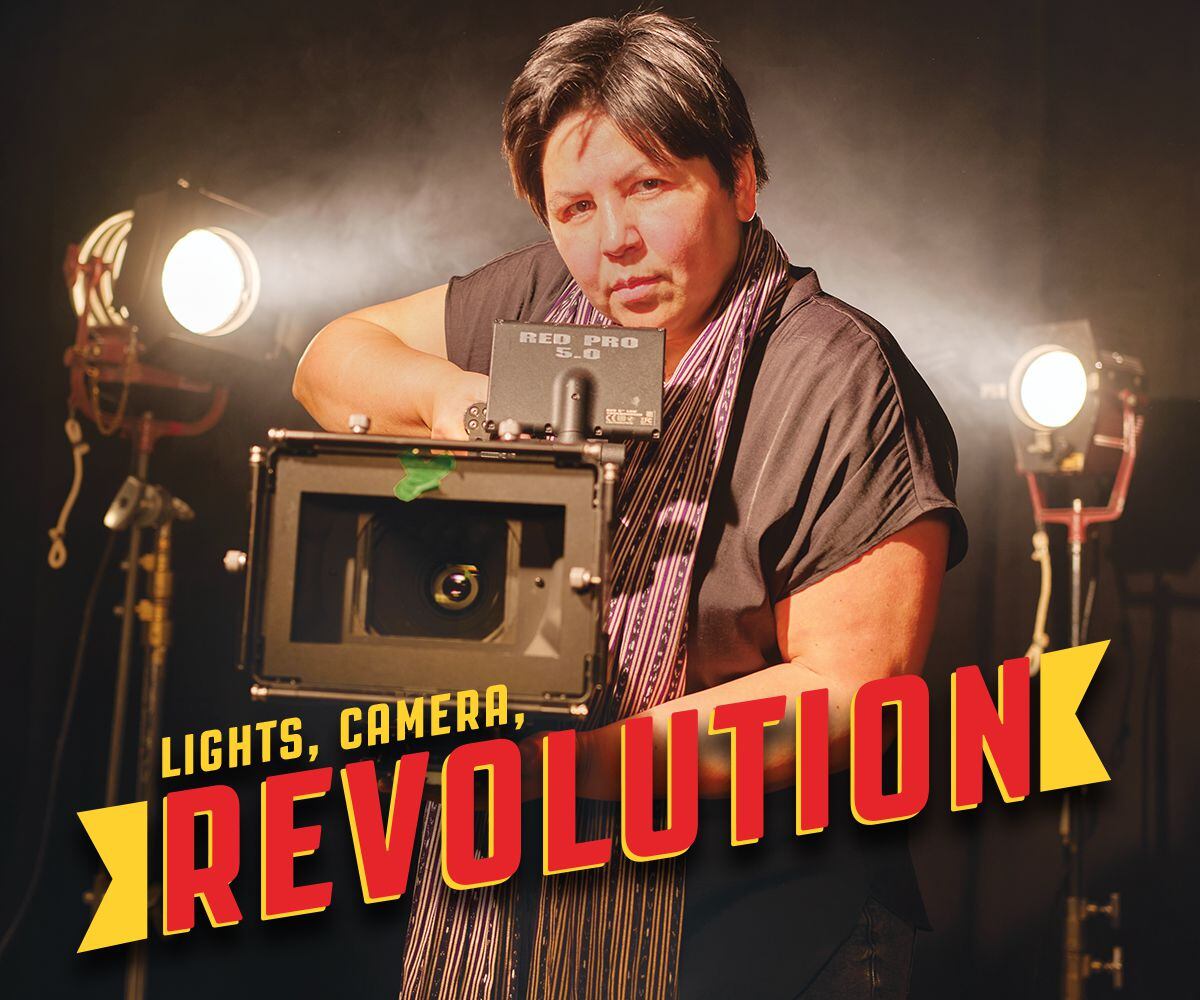
Lights, Camera, Revolution: The Movie That Changed Everything
Introduction
Remember that feeling? The one where you walk out of a movie theatre and the world just… feels different? Like something shifted, a new perspective clicked into place? That’s the kind of impact we’re talking about. But what if that “something shifted” wasn’t just a personal feeling, but a societal sea change? What if a movie actually helped spark a revolution?
While pinpointing a single film as the *sole* catalyst for revolution is a complex and often debated topic, there’s no denying that some movies have possessed a powerful ability to ignite public discourse, challenge the status quo, and ultimately, inspire action. Think of it like a match striking dry kindling. The match (the movie) alone might not start a roaring fire, but coupled with the right conditions (social unrest, political dissatisfaction), it can become a powerful, transformative force.
So, let’s dive into the fascinating world of cinema that dared to challenge the norm and, in some cases, even dared to light the fuse of revolution.
The Spark: Short-Term Impacts that Ignite the Flame
The immediate aftermath of a politically charged film’s release is often characterized by a palpable shift in the cultural landscape. We’re talking about:
- Increased Awareness: Movies can introduce audiences to issues they were previously unaware of, or at least, present familiar problems in a fresh, impactful light. Imagine watching a documentary exposing environmental destruction you thought was just a rumor, or a fictional drama humanizing a marginalized community you’d only seen as statistics. Suddenly, the abstract becomes personal.
- Fueled Public Discourse: A controversial or thought-provoking film provides immediate fodder for conversation. Water cooler chats become heated debates, social media explodes with opinions, and news outlets scramble to dissect the film’s message. This dialogue, whether positive or negative, is crucial for pushing issues into the public consciousness.
- Amplified Existing Movements: Films rarely create movements from scratch. Instead, they often act as a powerful megaphone for existing social or political causes. By dramatizing struggles, showcasing injustices, and giving a voice to the voiceless, these movies can galvanize support and attract new participants to the cause.
- Direct Action and Protest: In some cases, the immediate impact is more direct. Movies that depict injustice or call for change can inspire immediate protests, boycotts, and other forms of direct action. We see this across the globe, from films highlighting labor rights to documentaries exposing political corruption.
The Embers: Long-Term Impacts that Shape the Future
While the initial spark is exciting, the true power of these movies lies in their long-term impact:
- Changing Perceptions: Over time, repeated exposure to nuanced portrayals can chip away at deeply ingrained prejudices and stereotypes. Films can foster empathy and understanding by allowing audiences to walk in the shoes of characters from different backgrounds and experiences.
- Influencing Policy: When public sentiment shifts, political leaders are often forced to take notice. Films that raise awareness of specific issues can create the pressure needed to enact policy changes. Think of documentaries that have led to environmental regulations or dramas that have inspired criminal justice reform.
- Inspiring Future Generations: The impact of a revolutionary film can ripple through generations. These movies become cultural touchstones, inspiring future filmmakers, activists, and thinkers to continue the fight for change. They provide a blueprint for resistance and a reminder that cinema can be a powerful tool for social transformation.
- Shifting Cultural Norms: Perhaps the most profound impact is the subtle shift in cultural norms. Movies that challenge traditional values, expose hypocrisy, or promote alternative ways of thinking can slowly reshape societal attitudes and beliefs. This is where the real revolution happens, in the hearts and minds of the audience.
The Toolkit: Practical Solutions for Filmmakers and Audiences
So, how can we harness the power of cinema to create positive change? Here are some practical approaches:
For Filmmakers:
- Authenticity is Key: Don’t sensationalize. Focus on telling authentic stories that resonate with real experiences. Research your subject matter thoroughly and strive for accuracy.
- Focus on Human Stories: Connect with your audience on an emotional level. Show the human cost of injustice and the potential for hope and resilience.
- Empower Your Characters: Give your characters agency and avoid perpetuating harmful stereotypes. Show them as agents of change, not just victims.
- Partner with Organizations: Collaborate with relevant non-profits or advocacy groups to amplify your message and support real-world action.
Case Study: “Parasite” (2019) – While not explicitly about revolution in the traditional sense, Bong Joon-ho’s masterpiece brilliantly exposes the brutal realities of socioeconomic inequality. The film’s global success sparked intense conversations about class divisions and the struggles of marginalized communities, impacting perceptions and influencing policy debates in various countries.
For Audiences:
- Seek Out Diverse Perspectives: Don’t limit yourself to mainstream blockbusters. Explore independent films, documentaries, and international cinema to broaden your understanding of the world.
- Engage in Dialogue: Discuss the films you watch with friends, family, and colleagues. Share your thoughts and perspectives and listen to others with an open mind.
- Take Action: Don’t just watch and passively consume. Find ways to get involved in the issues that resonate with you. Volunteer, donate, advocate, or simply raise awareness within your community.
- Support Independent Filmmakers: Help create a space for more challenging and thought-provoking films to be made by supporting independent filmmakers and organizations.
Alternative Approaches: A Spectrum of Change
It’s crucial to recognize that sparking change through film isn’t a one-size-fits-all approach. Here are some alternative strategies:
- Subtle Subversion: Instead of explicitly revolutionary messages, weave progressive ideas into seemingly mainstream narratives. This can subtly shift perceptions without alienating a wider audience.
- Comedy as Activism: Use humor to satirize injustice and expose absurdity. Comedy can be a powerful tool for reaching audiences who might be resistant to more serious approaches.
- Focus on Education: Create documentaries and educational films that provide in-depth analysis of complex issues. These films can be valuable resources for policymakers, educators, and the general public.
- Community-Based Filmmaking: Empower marginalized communities to tell their own stories. This ensures authenticity and allows for diverse voices to be heard.
The Final Act: Hope and Motivation
The power of cinema to influence society is undeniable. While a single film may not single-handedly trigger a revolution, it can act as a powerful catalyst, igniting public discourse, shifting perceptions, and inspiring action. Whether you’re a filmmaker, an audience member, or simply someone who cares about the world, you have a role to play in harnessing the transformative potential of cinema.
The key is to approach it with intention, authenticity, and a commitment to positive change. Seek out films that challenge your assumptions, engage in meaningful conversations, and find ways to take action in your own community. Remember, even the smallest spark can ignite a revolution. The lights are on, the camera is rolling. Now, let’s get to work.
