

Movie Ratings: Are They Helping or Hurting Us?
Introduction
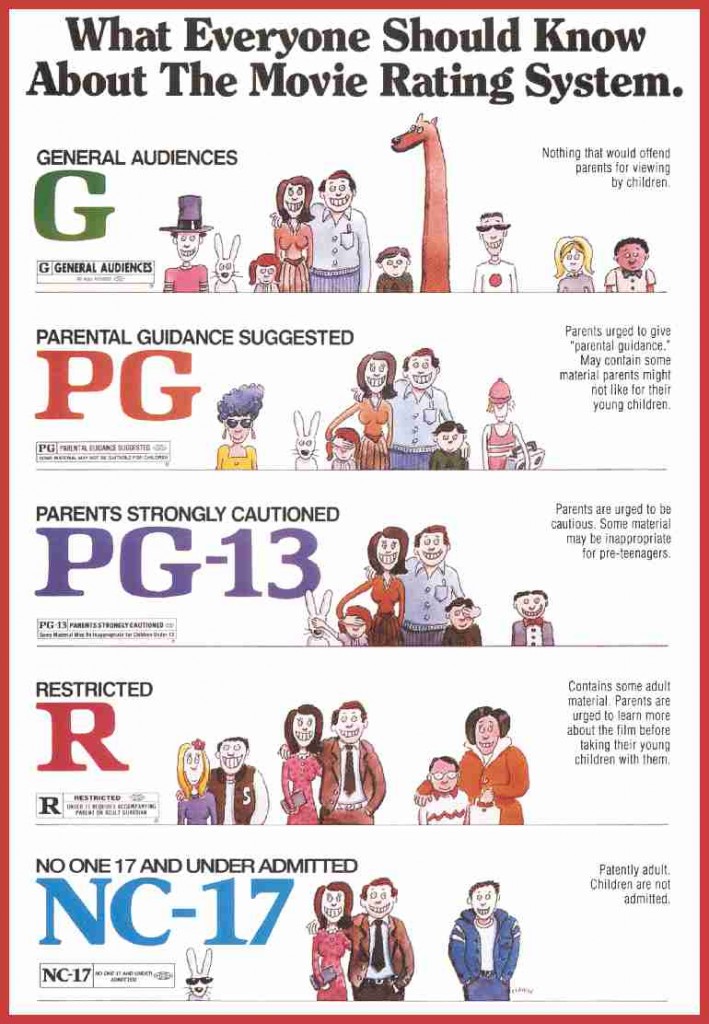
Ever found yourself scrolling through Netflix, paralyzed by choice, and the only thing guiding you is that little letter nestled beside the movie title? G, PG, PG-13, R – those movie ratings. They’re supposed to be our friendly neighborhood guides, helping us navigate the cinematic landscape and make informed decisions about what we watch, especially with kids in tow. But are they truly helping us, or are they, perhaps, subtly – or not so subtly – hindering our viewing experience?
Think about it. How many times have you dismissed a movie solely based on its rating, only to later hear glowing reviews from friends who swore it was a masterpiece? Or conversely, how often have you been burned by a PG-13 flick that, while technically meeting the rating criteria, was far more intense or suggestive than you anticipated?
This isn’t about bashing the rating system itself. It exists for a reason. But it’s worth exploring the complex and sometimes contradictory impact movie ratings have on our choices, both in the short term (what we watch tonight) and the long term (how we develop our own critical eye).
The Short-Term Dilemma: Snap Judgments and Missed Opportunities
In the moment, movie ratings are incredibly convenient. They’re quick, easily accessible, and offer a seemingly objective assessment of a film’s content. Need a family-friendly option for movie night? Stick to G or PG. Looking for a more mature thriller? R seems like the obvious choice.
But this convenience comes at a cost. We often make snap judgments based solely on the rating, foregoing the chance to discover hidden gems that might actually align perfectly with our tastes. A well-made PG-13 coming-of-age story might be overlooked simply because it’s not rated G. An R-rated indie film tackling complex themes with sensitivity might be dismissed because of the association with gratuitous violence and nudity.
Furthermore, the rating system itself isn’t always consistent. What constitutes a PG-13 movie in 2023 might have been considered R-rated a decade ago. The goalposts shift, often driven by cultural anxieties and trends. This can lead to confusion and misinterpretations, leaving us feeling like we can’t fully trust the system.
The Long-Term Impact: Stifled Curiosity and Filtered Perspectives
The long-term impact of relying heavily on movie ratings is even more concerning. Constant filtering based on pre-determined categories can inadvertently stifle our curiosity and limit our exposure to diverse perspectives.
Imagine a child growing up primarily watching G-rated movies. While ensuring age-appropriate content, they might miss out on films that explore more complex emotions, challenging situations, or historical events depicted in a more nuanced (though not necessarily inappropriate) way. This can, unintentionally, create a sanitized view of the world, delaying their development of critical thinking skills and empathy.
Conversely, overexposure to certain types of content, even within a specific rating, can desensitize viewers. A constant stream of action movies with stylized violence, even if deemed acceptable for PG-13 audiences, can normalize violence and diminish its real-world impact.
Ultimately, relying solely on movie ratings can prevent us from developing our own internal compass – our ability to assess content based on our individual values, sensitivities, and desires. We become passive consumers, rather than active participants in the viewing experience.
Solutions
The good news is, we don’t have to ditch movie ratings entirely. They can still be a useful tool, but it’s essential to use them as a starting point, not the final word. Here are a few practical solutions for a more informed and enriching viewing experience:
- Go Beyond the Letter: Don’t just look at the rating; delve deeper. Read the rating description. It provides more specific information about the content that warranted the rating, such as “violence, some language, and suggestive material.” This offers a far more nuanced understanding than the single letter.
- Consult Multiple Sources: Before committing to a movie, check out reviews from reputable sources like Common Sense Media, which provides detailed age-based recommendations and content breakdowns. Sites like IMDb also offer user reviews, offering a broader range of opinions.
- Embrace the Trailer: Watch the trailer! It’s a condensed version of the movie, giving you a visual and auditory sense of its tone, style, and content. Does it resonate with you? Does it align with your values?
- Trust Your Gut (and Your Friends): Ultimately, your personal taste matters. If you generally enjoy a particular genre or director, their work might be worth exploring, even if the rating is slightly outside your comfort zone. Talk to friends, family, or online communities whose opinions you value and see what they recommend.
- For Parents: Open Communication is Key: Instead of simply imposing restrictions based on ratings, engage in open and honest conversations with your children about the content they’re watching. Explain why certain themes or depictions might be inappropriate for their age and encourage them to ask questions. This fosters critical thinking and empowers them to make informed choices.
Examples in Action:
- Case Study: “Eighth Grade” (R-Rated): This coming-of-age film, while rated R for language and some mature themes, offers a remarkably sensitive and authentic portrayal of adolescence. Parents who dismiss it based solely on the rating might miss a valuable opportunity to connect with their teenage children and spark important conversations about social media, anxiety, and self-esteem.
- Alternative Approach: “The Mitchells vs. The Machines” (PG): This animated film tackles themes of family connection and embracing individuality with humor and heart. While rated PG, it provides opportunities for family discussions about technology, personal growth, and acceptance. It demonstrates that engaging content doesn’t always require a higher rating.
Alternative Solutions for Different Situations:
- For those seeking family-friendly entertainment: Explore streaming services with dedicated kids’ sections and utilize parental control features to manage content access.
- For those interested in expanding their cinematic horizons: Challenge yourself to watch one movie per month outside your usual genre or rating comfort zone.
- For those concerned about the impact of violence on children: Research the effects of media violence and engage in mindful media consumption, actively discussing the consequences of violence with your children.
Conclusion: Taking Control of Your Viewing Experience
Movie ratings are a tool, not a rule. By understanding their limitations and actively engaging with the content we consume, we can reclaim control of our viewing experience and foster a more informed and enriching relationship with cinema.
Don’t let those little letters dictate your choices. Instead, use them as a springboard for exploration, discussion, and ultimately, the discovery of films that resonate with you on a deeper level. Embrace curiosity, trust your instincts, and remember that the best movies are the ones that stay with you long after the credits roll – regardless of their rating. It’s time to move beyond the simple G, PG, R, and start truly engaging with the power and artistry of film. So, grab your popcorn, explore beyond the rating, and get ready to be moved, challenged, and inspired. The world of cinema awaits!
