

Movie Websites: Are They Obsolete?
Introduction
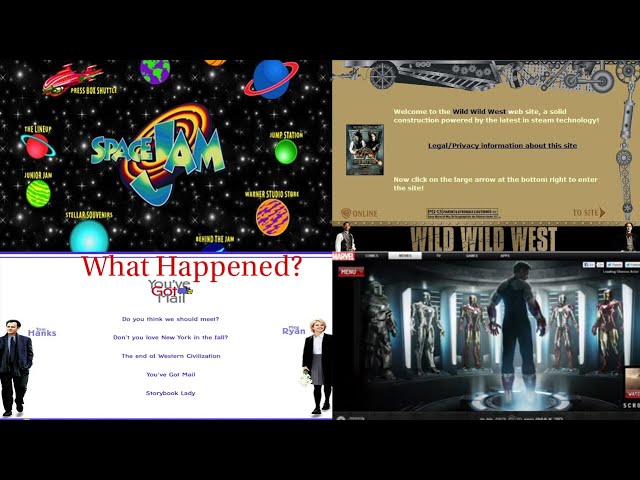
Remember the thrill of anticipating a new movie? Part of that excitement often involved venturing onto the official movie website. It was a digital treasure trove filled with trailers, behind-the-scenes glimpses, cast interviews, and downloadable wallpapers. These sites served as central hubs for all things related to a film, building hype and offering fans a deep dive into the cinematic world. But in today’s hyper-connected landscape, where information bombards us from every angle, are these dedicated movie websites still relevant? Or have they become relics of a bygone era, overshadowed by the dominance of social media, streaming platforms, and a relentless news cycle?
Let’s be honest, when was the last time you actively sought out a movie’s official website? Chances are, you encountered information about a film through a trailer on YouTube, a recommendation from a friend on social media, or while browsing your favorite streaming service. This shift in information consumption raises a crucial question: Are movie websites, as we once knew them, becoming obsolete?
The Short-Term Impact: A Loss of Control and Engagement
In the short term, the decline of movie website traffic translates to a loss of control for studios. They are increasingly reliant on third-party platforms to disseminate information about their films. This means they are subject to the algorithms and content policies of these platforms, potentially impacting the visibility and reach of their marketing efforts.
Furthermore, the concentrated nature of social media often fosters fleeting engagement. A user might watch a trailer and quickly scroll past, moving on to the next piece of content. Movie websites, on the other hand, offered a curated experience, encouraging visitors to explore deeper into the film’s universe. This immersive experience, conducive to building anticipation and fostering a loyal fanbase, is being lost in the shuffle of social media feeds.
Consider the impact on niche films, documentaries, or independent productions. These films often lack the marketing budget to compete with blockbuster behemoths on mainstream platforms. Historically, a well-crafted website allowed these films to carve out a dedicated space online, connect with their target audience, and cultivate a sense of community. Without this digital home base, they risk being drowned out in the noise.
The Long-Term Impact: Weakening Brand Identity and Missed Opportunities
Looking ahead, the long-term consequences of neglecting movie websites could be even more significant. The website serves as a digital embodiment of the film’s brand. A well-designed and engaging website reinforces the film’s identity, strengthens its connection with the audience, and contributes to its overall legacy. Without this dedicated platform, the film’s brand risks becoming fragmented and diluted across various online channels.
Moreover, movie websites represent a missed opportunity for data collection and audience interaction. By tracking visitor behavior and gathering feedback through surveys and forums, studios can gain valuable insights into audience preferences and tailor their marketing strategies accordingly. This data-driven approach is essential for optimizing promotional campaigns and maximizing box office returns.
Think about the classic movie franchises like Star Wars or Marvel. These franchises have cultivated a strong online presence, not just through social media, but also through dedicated websites that offer in-depth information, interactive features, and exclusive content. These platforms serve as valuable touchpoints for fans, fostering a sense of community and reinforcing the franchise’s brand identity. Ignoring this lesson puts newer films at a disadvantage.
Solutions: Reimagining the Movie Website for the Modern Era
The good news is that movie websites don’t have to become obsolete. By embracing innovation and adapting to the evolving digital landscape, they can remain valuable assets in a film’s marketing arsenal. Here are some practical solutions:
- Focus on Immersive Experiences: Instead of simply replicating information already available elsewhere, movie websites should offer unique and immersive experiences that cannot be found on social media or streaming platforms. This could include interactive games, 360-degree virtual tours of sets, augmented reality experiences, or personalized content based on user preferences. For example, the *Ready Player One* website was a treasure trove of Easter eggs and interactive games, mirroring the film’s themes and engaging fans on a deeper level.
- Create Exclusive Content: Offer exclusive behind-the-scenes footage, interviews, or artwork that is only available on the website. This will incentivize fans to visit the site and keep them coming back for more. Consider offering early access to trailers or clips for website visitors.
- Build a Community: Integrate community features such as forums, comment sections, and social sharing tools to encourage interaction among fans. Host online events, Q&A sessions with the cast and crew, or contests to generate excitement and build a loyal following.
- Optimize for Mobile: Ensure the website is fully optimized for mobile devices, as the majority of users are accessing the internet on their smartphones and tablets. A mobile-friendly website will provide a seamless and engaging experience for users on the go.
- Embrace Interactive Storytelling: Use the website to extend the film’s narrative and create interactive storytelling experiences. This could involve offering alternative endings, exploring character backstories, or providing additional context to the film’s themes.
- Integration with Social Media: Instead of viewing social media as a competitor, integrate it into the website. Embed social media feeds, share buttons, and social login options to encourage users to share content and engage with the film on multiple platforms.
- Leverage Data Analytics: Use data analytics to track user behavior and gain insights into what content is resonating with audiences. This information can be used to optimize the website, improve the user experience, and tailor marketing strategies accordingly.
- Partnerships and Collaborations: Collaborate with other websites, influencers, and brands to cross-promote the film and reach a wider audience. This could involve hosting joint events, creating co-branded content, or offering exclusive deals and promotions to their respective audiences.
- Case Study: *The Blair Witch Project*: While predating the modern social media landscape, *The Blair Witch Project*’s early internet marketing campaign demonstrated the power of a dedicated website. The site presented the film as a real documentary, complete with “found footage” and fabricated police reports. This immersive experience blurred the lines between fiction and reality, generating massive buzz and contributing to the film’s box office success.
The Future of Movie Websites: A Call to Action
Movie websites are not dead, but they do need a serious makeover. By embracing innovation, focusing on user experience, and leveraging the power of community, these platforms can remain valuable assets in the film industry. It’s time for studios and filmmakers to recognize the potential of movie websites and invest in creating engaging and immersive experiences that will captivate audiences and build lasting brand loyalty.
The decline of movie websites is not inevitable. It’s a challenge, but also an opportunity. By taking action and embracing the solutions outlined above, we can ensure that movie websites remain a vibrant and relevant part of the cinematic landscape for years to come. Don’t let the digital campfire fade away. Rekindle the flame and create movie website experiences that are truly unforgettable. The future of movie marketing depends on it.
