
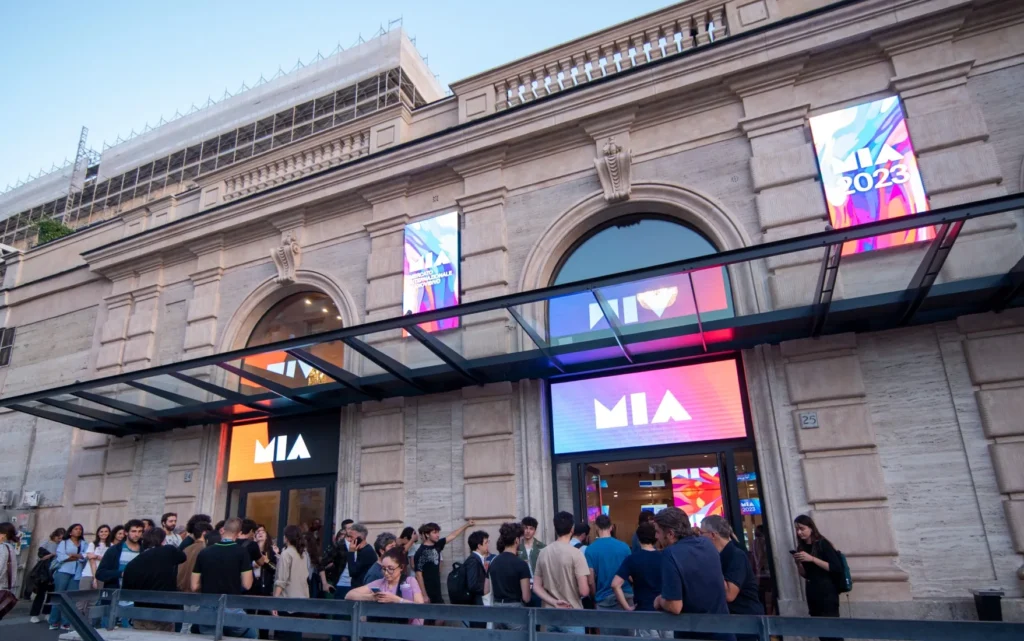

The Mia Market, held annually in Rome, is one of the most prominent events for global content creators, distributors, and buyers. This year’s edition brought together industry professionals from around the world, showcasing the latest trends and developments in film, television, and digital content. From groundbreaking deals to emerging industry challenges, the 2024 Mia Market left plenty to discuss. Here are seven major talking points from this year’s event:
1. The Rise of European Co-Productions
One of the key themes of the 2024 Mia Market was the increasing collaboration between European countries in film and TV production. In a post-pandemic world, co-productions have become an effective way to pool resources, reduce risk, and access wider markets. With new European Union funding initiatives and growing demand for European content on streaming platforms, this trend is set to accelerate. Major announcements included new partnerships between France, Italy, and Spain, with several high-profile projects, such as historical dramas and crime series, set to benefit from joint production efforts.
2. Streaming Wars Continue to Shape the Industry
The streaming giants—Netflix, Amazon Prime Video, and Disney+—once again dominated discussions at Mia. While the landscape is growing ever more competitive, global streamers are investing heavily in original content, particularly from Europe and Latin America. Many attendees noted how streamers are focusing on niche genres and local-language productions to attract new subscribers. Key industry insiders highlighted the importance of producing distinct regional content that resonates locally but also has international appeal.
Additionally, with an increasing number of streaming platforms offering ad-supported tiers, questions around monetization models and sustainable content creation were top of mind. Traditional broadcasters also looked for ways to remain competitive, exploring hybrid distribution strategies that blend linear TV with on-demand streaming services.
3. Green Filmmaking Gains Momentum
Sustainability was a hot topic at Mia Market this year, with numerous panels and presentations dedicated to green filmmaking practices. As concerns about climate change grow, the entertainment industry is being pushed to adopt more environmentally friendly production methods. From reducing carbon footprints on set to creating eco-friendly film festivals, sustainability is becoming a priority. Mia saw the launch of new sustainability guidelines aimed at minimizing waste, energy consumption, and emissions during productions.
Several producers jawabet shared how eco-friendly practices are not only good for the environment but can also save costs in the long run. In particular, Italy’s Cinecittà Studios announced initiatives to reduce their carbon footprint, hoping to lead the way for sustainable production in Europe.
4. Diversity and Inclusion in Focus
This year’s Mia Market also placed a strong emphasis on diversity and inclusion in content creation. Industry leaders discussed the importance of ensuring representation on-screen and behind the camera, especially for marginalized communities. Initiatives aimed at increasing the visibility of women, LGBTQ+ individuals, and people of color in leading roles were highlighted, with a number of new projects announced that focus on these underrepresented groups.
There was a consensus that diverse storytelling is not only a moral imperative but also an economic one. Global audiences are seeking fresh perspectives and authentic voices, making inclusivity a key to commercial success. The Italian film and TV industries, in particular, have made strides in amplifying diverse narratives, reflecting the growing demand for more inclusive content across Europe.
5. The Ongoing Impact of AI in Content Creation
Artificial intelligence (AI) was a major point of conversation at Mia, with panel discussions focusing on both the opportunities and challenges it presents. AI is increasingly being used in scriptwriting, editing, and even casting decisions. Many attendees were optimistic about how AI can streamline production processes and reduce costs. However, there was also concern about the ethical implications of AI’s role in creative industries, including the potential loss of jobs and the risk of homogenizing content.
Some filmmakers argued that while AI has a place in production, it should be viewed as a tool to support rather than replace human creativity. The question of how AI could impact the authenticity and emotional depth of storytelling was raised, with some worried that over-reliance on algorithms might stifle artistic expression.
6. Italian Content Thrives Internationally
Italian content continued to shine on the international stage at Mia, with several Italian productions garnering attention for their global success. From gripping dramas to innovative comedies, Italy’s film and TV landscape is increasingly appealing to international buyers. Several key deals were struck at Mia, with Italian studios signing distribution agreements with major U.S. and European networks.
Shows like Gomorrah and My Brilliant Friend have already proven the international appeal of Italian content, and this trend shows no signs of slowing down. The success of Italian productions reflects the growing global appetite for diverse, high-quality storytelling that transcends borders.
7. The Importance of Animation and Kids’ Content
Animation and children’s content were major highlights of the Mia Market this year, with producers emphasizing the growing demand for high-quality animated series. With family viewing becoming an increasingly important segment for streaming platforms, the market for kids’ content is expanding rapidly. Animation, which can easily cross cultural and language barriers, has proven particularly lucrative in this space.
Several new animation projects were unveiled, including collaborations between European and Latin American studios. Industry experts stressed the importance of educational and value-driven content for children, with a focus on inclusivity and positive role models. As streaming platforms continue to target younger audiences, investments in animation are expected to rise significantly in the coming years.
Conclusion
This year’s Mia Market reinforced its position as a key hub for global film and TV content, with discussions highlighting the evolving trends shaping the industry. From co-productions and streaming to sustainability and diversity, the event provided a platform for meaningful dialogue and collaboration, setting the stage for the future of international content creation.