
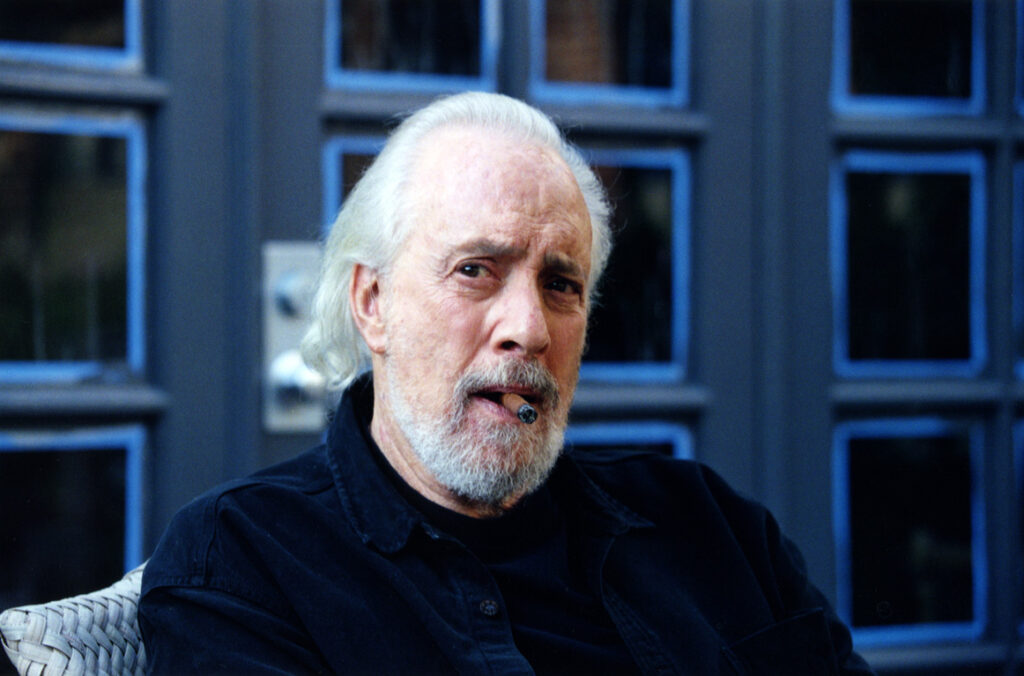

Robert Towne: The Mastermind Behind Cinematic Classics
Robert Towne is a name that resonates with anyone familiar with the golden age of Hollywood screenwriting. Known for his sharp dialogue, complex characters, and intricate plots, Towne has left an indelible mark on the film industry. His career, spanning over five decades, showcases a unique blend of creativity and technical prowess, earning him a place among the greats of cinema.
Born on November 23, 1934, in Los Angeles, California, Robert Towne grew up in the heart of the film industry. His early exposure to the world of cinema sparked a lifelong passion for storytelling. Towne attended Pomona College, where he honed his writing skills and developed a keen understanding of narrative structure.
Towne’s early career saw him working on a variety of television shows and B-movies, where he quickly made a name for himself as a talented and reliable writer. His big break came when he was hired to write the screenplay for “The Last Detail” (1973), a gritty and humorous drama about two Navy men escorting a young sailor to prison. The film, directed by Hal Ashby and starring Jack Nicholson, was a critical success and established Towne as a major force in Hollywood.
Chinatown and the Pinnacle of Screenwriting
Robert Towne’s most celebrated work is undoubtedly “Chinatown” (1974), directed by Roman Polanski. The neo-noir mystery film, set in 1930s Los Angeles, follows private investigator J.J. Gittes, played by Jack Nicholson, as he uncovers a web of corruption, deceit, and murder. Towne’s screenplay is widely regarded as one of the greatest ever written, earning him an Academy Award for Best Original Screenplay.
“Chinatown” is praised for its complex plot, rich character development, and razor-sharp dialogue. Towne’s meticulous research and deep understanding of the period’s social and political climate added a layer of authenticity and depth to the story. The film’s enduring legacy is a testament to Towne’s masterful storytelling.
Continued Success and Influence
Following the success of “Chinatown,” Towne continued to work on high-profile projects, solidifying his reputation as a top screenwriter. He wrote the screenplay for “Shampoo” (1975), a satirical drama set in the 1960s, which reunited him with director Hal Ashby and star Warren Beatty. The film was another critical and commercial success, showcasing Towne’s ability to blend humor and drama.
Towne’s versatility as a writer is evident in his work on a wide range of genres. He penned the script for the action-packed “Mission: Impossible” (1996), starring Tom Cruise, bringing a modern twist to the classic TV series. His ability to adapt to different styles and formats has made him a sought-after writer in Hollywood.
Directorial Ventures
In addition to his screenwriting achievements, Robert Towne has also ventured into directing. His directorial debut, “Personal Best” (1982), is a coming-of-age sports drama that explores the lives of two female athletes. The film received positive reviews for its authentic portrayal of the athletes’ struggles and triumphs.
Towne’s most ambitious directorial project is “Tequila Sunrise” (1988), a romantic crime thriller starring Mel Gibson, Michelle Pfeiffer, and Kurt Russell. Although the film received mixed reviews, it demonstrated Towne’s ability to create visually striking and emotionally engaging stories.
Legacy and Impact
Robert Towne’s contributions to the film industry have had a lasting impact on screenwriting and storytelling. His work is studied in film schools around the world, and his influence can be seen in the scripts of many contemporary writers. Towne’s dedication to his craft, attention to detail, and ability to create compelling narratives have earned him a place among the legends of cinema.
As Hollywood continues to evolve, Robert Towne’s legacy remains a beacon of excellence and inspiration for aspiring screenwriters. His body of work serves as a reminder of the power of storytelling and the enduring magic of cinema.